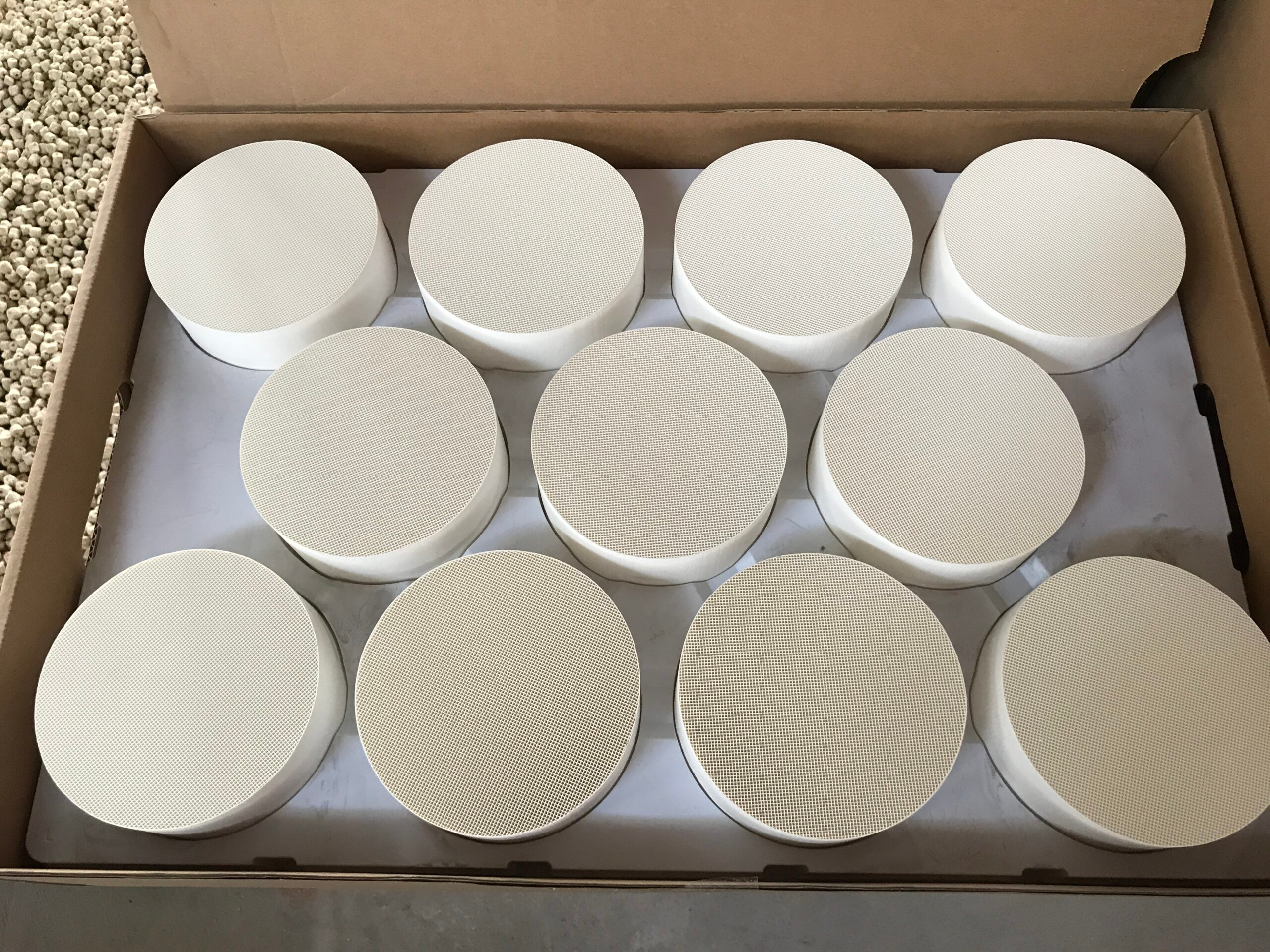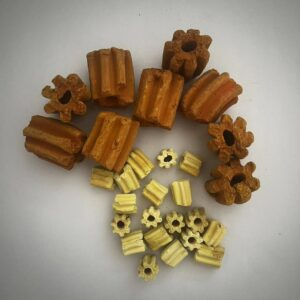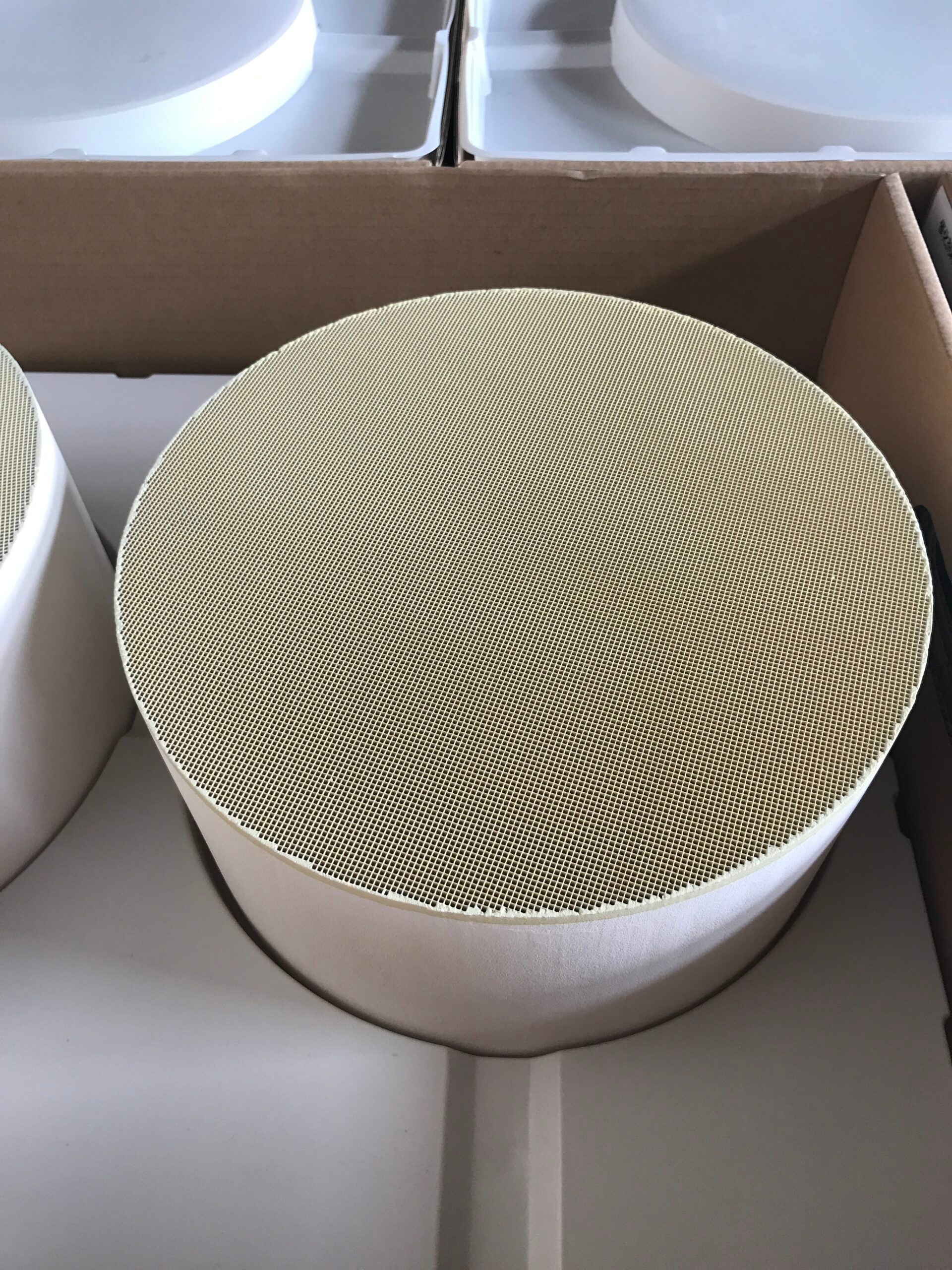
An OEM or ODM program asks more of a supplier than a catalog order. The customer may already control a drawing, or it may need help developing the design itself. Those two starting points call for different production evidence.
A supplier that can make a standard part is not automatically equipped to revise a geometry, build a mold, document an approved sample, and repeat the result at scale. Qualification works best when the buyer tests each claimed capability against a specific project step.
Match the Audit to the Program Type
In an OEM program, the customer’s drawing and specification are central. The supplier must show how it checks manufacturability, manages drawing revisions, and verifies the finished part against the approved input.
An ODM program adds a design responsibility. The supplier needs a way to turn performance and packaging needs into a proposal the customer can review. The contract and technical record make that design boundary visible, especially where changes or tooling are involved.
Among catalytic converter suppliers, a useful first comparison asks for a description of the actual development route. Who reviews the exhaust-system requirement? What triggers a mold change? Which sample represents the approved design?
These questions reveal how technical decisions travel from engineering into production and whether the customer can identify a point of approval before volume manufacturing.
Ownership of each technical decision should be documented in the review record. A drawing can be approved by purchasing while an unresolved operating condition remains with engineering.
If the supplier assumes that condition is fixed, design work may advance on an incomplete basis. Recording responsibilities at the beginning makes later revisions easier to evaluate and prevents a change in scope from being hidden inside a routine drawing update.
A catalytic converter manufacturer may also serve different markets and product categories. Years in the industry or a broad export footprint can establish experience, but neither substitutes for evidence tied to the proposed part. The customer’s application, drawing, operating conditions, and acceptance criteria keep qualification tied to the proposed part.
Check Design and Production Evidence
Drawings, tools, and inspection criteria must refer to the same approved design. A qualified supplier can explain its design and mold-making route, show what a pre-production sample is meant to confirm, and identify the inspection steps used after production starts.
If a sample passes a dimensional check but the coating specification remains open, the program is not fully released. The qualification record separates confirmed items from assumptions still needing agreement.
The proposed part gives our team at Hualian Catalyst a concrete basis for OEM/ODM design, mold making, and pre-production sampling. For an OEM/ODM review, our factory status and QC team are most relevant when the pre-production sample, approved drawing, and inspection criteria can be traced through the proposed part.
For catalytic converter suppliers, the key evidence is the connection between the customer requirement, the sample approval, the manufacturing instruction, and the inspection result.
Certification materials provide another check on the production system. Our stated qualifications include ISO 9001 and TS16949 certification. Certificate scope and validity are separate questions from the process evidence for the order.
A certificate can support confidence in a management system, while the sample and test record show how that system was applied to a particular product. Both belong in the supplier file, with their different purposes kept clear.
Extend Qualification Through Delivery
Production acceptance is incomplete until the buyer knows what evidence will accompany shipment. Industrial-standard testing and an order-specific report can document agreed checks; export packaging protects the accepted part during transport.
A delivery record specifies the relevant standard, report contents, packaging method, and process for addressing a discrepancy. These details are easier to agree before an order than after a delivery is questioned.
Industrial-standard testing, an order-specific test report, and export packaging are the documented stages we can point to before dispatch. We also have more than 30 years of catalyst manufacturing experience, exports to more than 50 countries, and 24/7 technical support.
Such experience can matter for international coordination, but the program still needs clear technical handoffs. An order-specific record lets the buyer trace a catalytic converter manufacturer‘s work from the agreed part to production, testing, and dispatch.
The final supplier review can trace one realistic change request. If a dimension or installation condition changes after the first proposal, how will the drawing, tooling, sample, inspection criteria, and delivery schedule be updated? The answer reveals more than a list of capabilities because it tests how those capabilities work together under normal project pressure.
A catalytic converter manufacturer ties an approved post-tooling change to production instructions and the inspection plan before the revised part is made. A buyer need not prescribe every internal form, but it should be able to tell which revision will be built and which report will document the result. That clarity becomes especially valuable when several departments are approving the same part.
A change request often reveals whether supplier qualification has reached beyond a list of capabilities. OEM and ODM place different demands on design responsibility, yet both require an approved specification, a controlled sample, repeatable production, and evidence of inspection. For each approved change, the responsible owner, revised artifact, and inspection basis form the record.