Two engines with the same rated power can expose a diesel oxidation catalyst to very different exhaust conditions. One may spend much of its time at a steady load; another may idle, accelerate, and cool repeatedly. Exhaust flow, temperature, and available installation space all affect the required substrate size.
Rated power is therefore a useful starting point for describing an application, not a complete sizing rule. A practical specification considers exhaust conditions throughout the operating cycle and identifies what the DOC must handle under both typical and demanding conditions
Start With the Operating Envelope
Exhaust-flow range sets the initial sizing boundary; a single peak value hides the rest of the duty cycle. Flow changes with speed and load, while temperature changes with the same duty cycle and influences the oxidation reactions.
A device that fits the maximum-flow point may still operate for many hours at lower temperatures. Conversely, a design focused only on a normal cruise point may create too much resistance during high-load operation. The sizing discussion should therefore record the relevant flow and temperature ranges together.
For a diesel oxidation catalyst doc, the envelope also includes installation geometry. Available length, housing diameter, inlet and outlet position, and nearby components all constrain the substrate dimensions that can be installed.
A larger frontal area can lower gas velocity, but it may not fit the allotted space; a longer flow path may add contact opportunity while increasing pressure loss. These are physical tradeoffs rather than reasons to choose the largest component available.
The engine’s duty cycle determines which point in that envelope deserves particular attention. Repeated starts and stops make warm-up behavior relevant; long high-load periods emphasize sustained flow and thermal conditions. Sizing should reflect the expected pattern instead of treating every operating point as equally frequent or equally critical.
The data behind the duty cycle need not be reduced to a single average. A short, high-flow event may determine the allowable pressure drop. Many low-temperature hours may determine how often the catalyst reaches an effective reaction range Keeping these observations separate makes it easier to explain why two candidate sizes perform differently in use.
Relate Geometry and CPSI to Flow
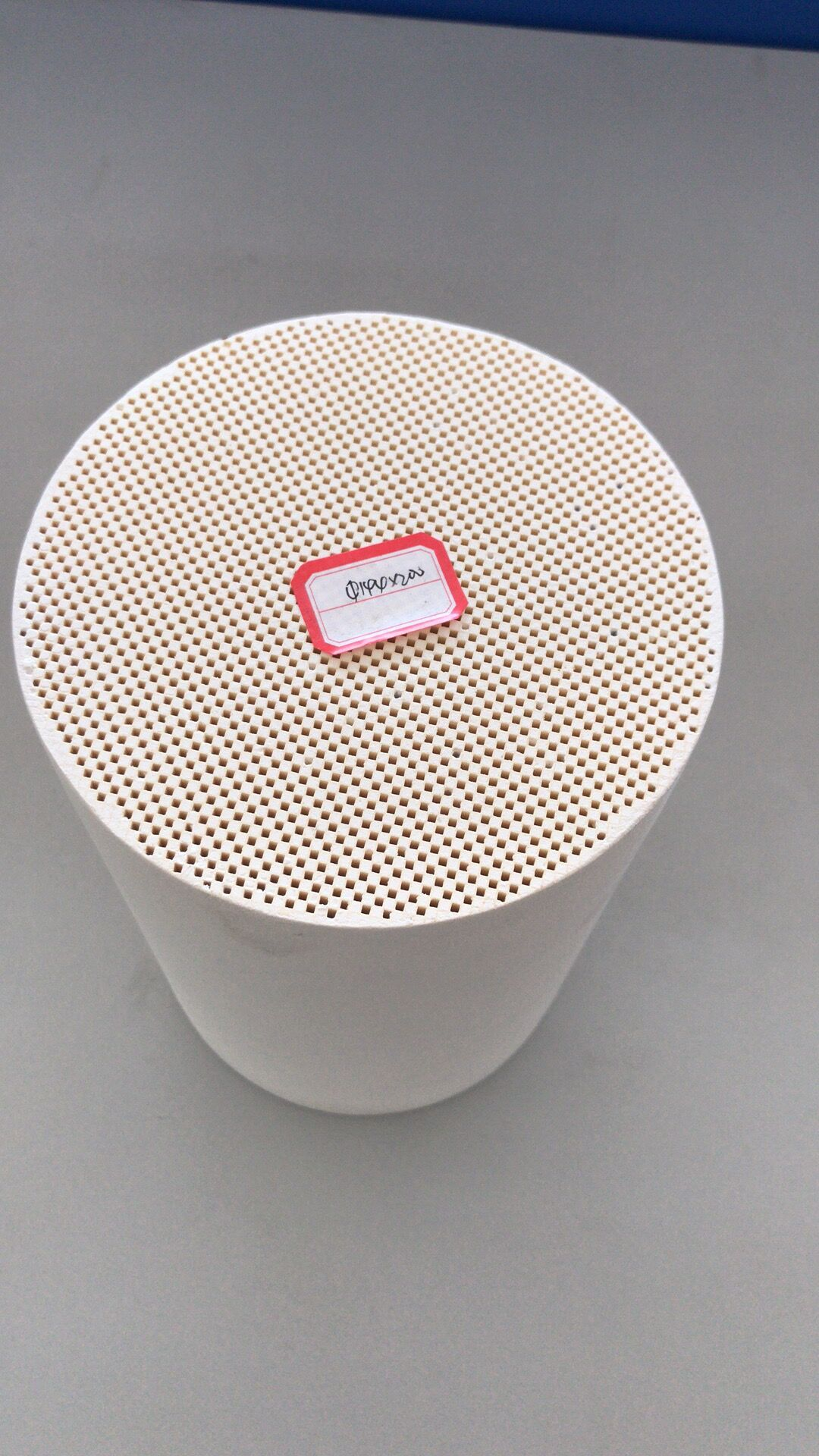
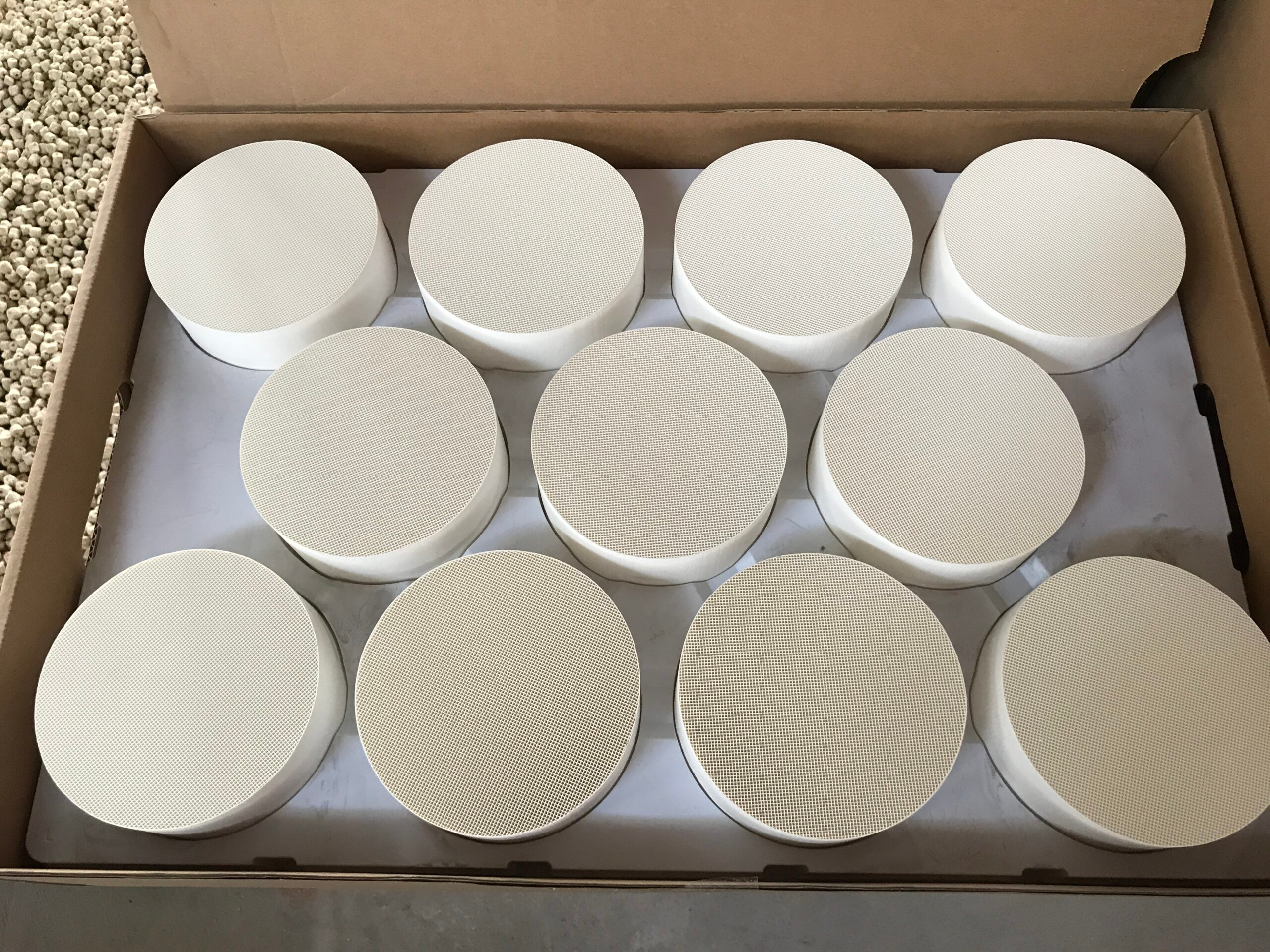
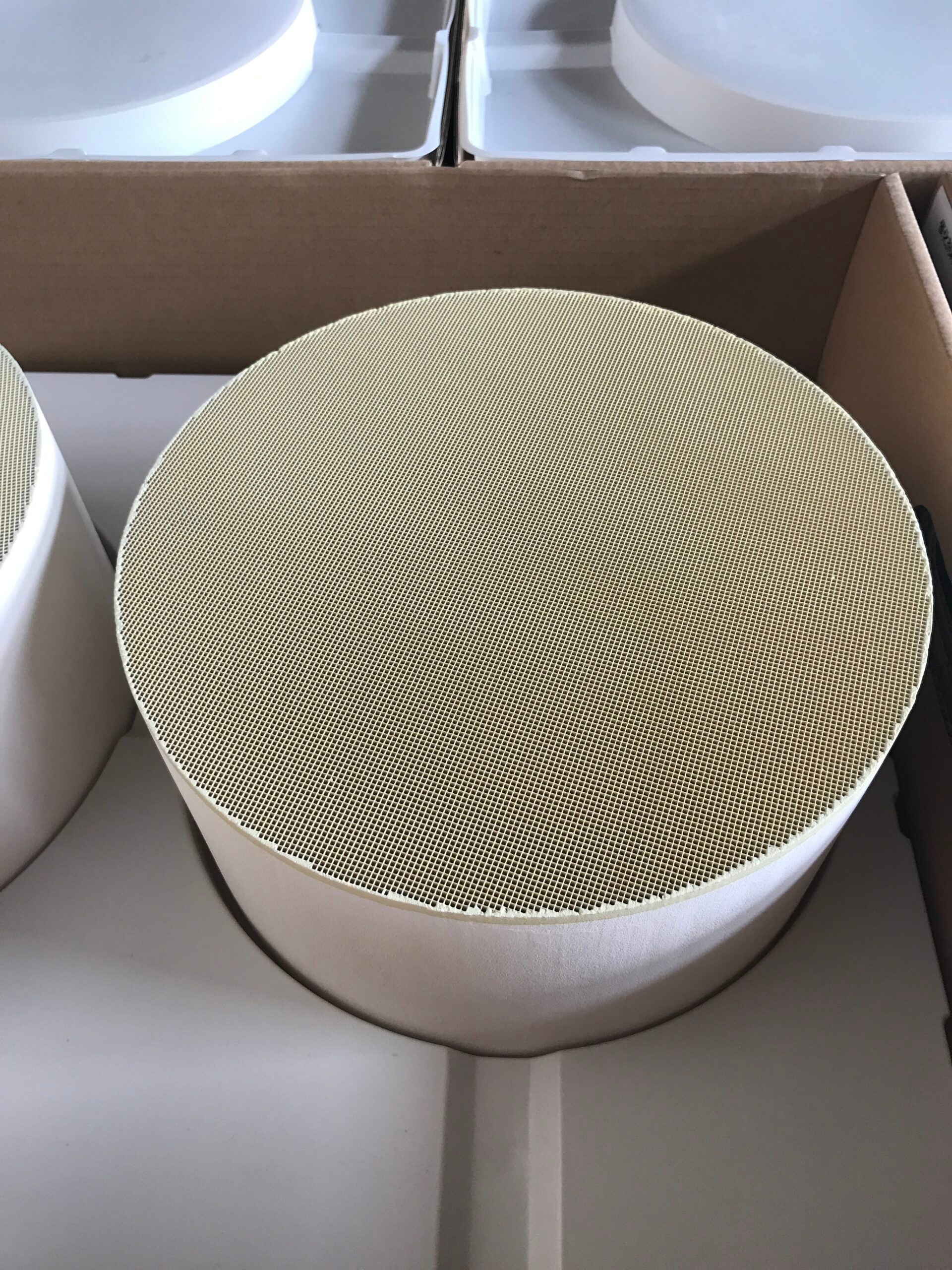
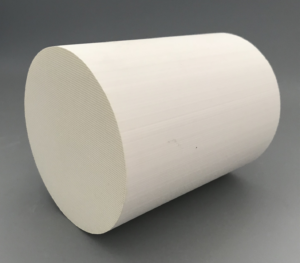
Substrate shape and cell density change the way exhaust passes through the DOC. A round, oval, or racetrack cross-section may suit a different packaging space, yet each still needs enough effective flow area.
CPSI, or cells per square inch, describes how many channels occupy a cross-section. It affects channel size and available wall area, but it does not by itself determine conversion or backpressure. Coating, substrate material, length, and actual flow conditions remain part of the result.
For a diesel oxidation catalyst, the appropriate combination depends on the application’s space and flow limits. A change in CPSI without a corresponding review of substrate dimensions can make the specification misleading.
A geometry with more channels may offer more surface for a coating, while narrower passages can increase resistance. The balance needs to be assessed under the intended operating conditions, particularly if packaging forces a compact substrate.
Those choices become concrete in our DOC range at Hualian Catalyst: we offer ceramic and metal substrates, round, oval, and racetrack shapes, and customizable dimensions. Our stated DOC options include 200, 300, 400, and 600 CPSI.
The listed ceramic specifications mainly use 300, 400, and 600 CPSI, while the listed metal specifications use 200 and 300 CPSI. These ranges give a starting set of configurations to discuss; they are not a universal formula for a given engine power.
Confirm the Choice Against the Application
The final sizing check should connect the proposed substrate with the emission and installation requirements. A DOC must present an active surface to CO, hydrocarbons, and soluble organic fractions while allowing exhaust to move through the system.
The operating temperature range affects how much of the duty cycle provides useful catalytic activity. Packaging, mounting, and the expected pressure-loss allowance limit which dimensions and cell structures can be considered.
Our DOC products target Euro 4, Euro 5, and Euro 6 exhaust-treatment applications, with geometry and CPSI available for customization. In a diesel oxidation catalyst doc project, we would need the engine and exhaust-system details before choosing among those options.
Useful inputs include exhaust-flow range, temperature profile, installation envelope, connection constraints, and target performance requirement. The same engine power figure can lead to different choices when those inputs change.
The most useful comparison is therefore between candidate configurations under the same stated conditions. Review the substrate dimensions, material, shape, CPSI, and predicted or measured flow resistance alongside the required treatment duty.
If one configuration reduces pressure loss but changes contact conditions, that tradeoff should be visible. A diesel oxidation catalyst specification becomes meaningful when its dimensions are tied to the exhaust conditions it is meant to serve.
Sizing a DOC is an application exercise rather than a lookup from engine power alone. Flow, temperature, duty cycle, and available space set the boundaries; material, shape, dimensions, and CPSI offer ways to work within them. The final choice should be justified against the engine’s real operating pattern and the checks used to evaluate it.