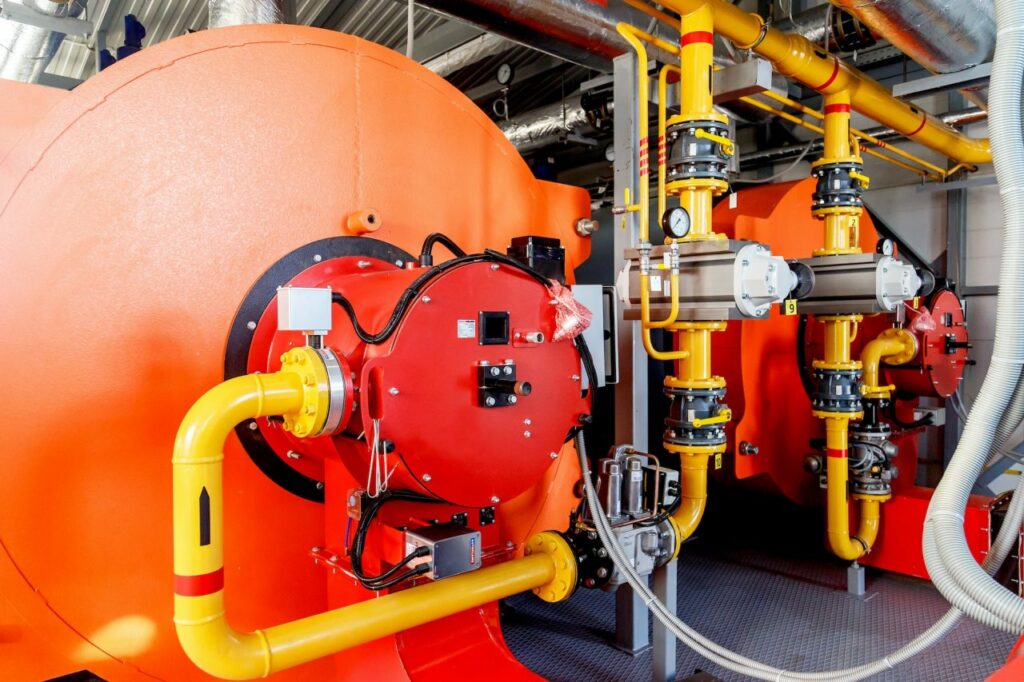
In industrial production, a reaction may be thermodynamically favorable but too slow for a practical production rate. Catalysts address this gap by providing an alternative pathway with lower activation energy. In sulfuric acid manufacturing, a vanadium pentoxide catalyst supports the oxidation of sulfur dioxide (SO₂) into sulfur trioxide (SO₃), a key stage in the contact process. Its core value is enhancing reaction kinetics, enabling plants to run within practical, controllable temperature windows.
For process engineers, catalyst performance must be assessed against gas composition, converter configuration, temperature profile, pressure drop, and required conversion.
How a V2O5 Catalyst Accelerates Industrial Oxidation
The central reaction in the contact process is:
2SO₂ + O₂ ⇌ 2SO₃
This reaction is exothermic and reversible. Without a suitable catalyst, its rate is too slow for efficient industrial production under practical operating conditions. A v2o5 catalyst accelerates the reaction by providing an active surface and a redox pathway involving vanadium species. During the catalytic cycle, V⁵⁺ species help oxidize SO₂ to SO₃ and are reduced in the process. Oxygen then reoxidizes the vanadium species, restoring the active state so the cycle can continue.
The catalyst changes reaction rate, not equilibrium position. It does not remove the thermodynamic limit or independently raise equilibrium conversion. It helps the process approach equilibrium more quickly at the selected temperature. This distinction is critical for troubleshooting. Low conversion can stem from insufficient catalyst activity or unfavorable operating conditions. Meanwhile, equilibrium limits are determined by temperature, pressure, and feed-gas composition.
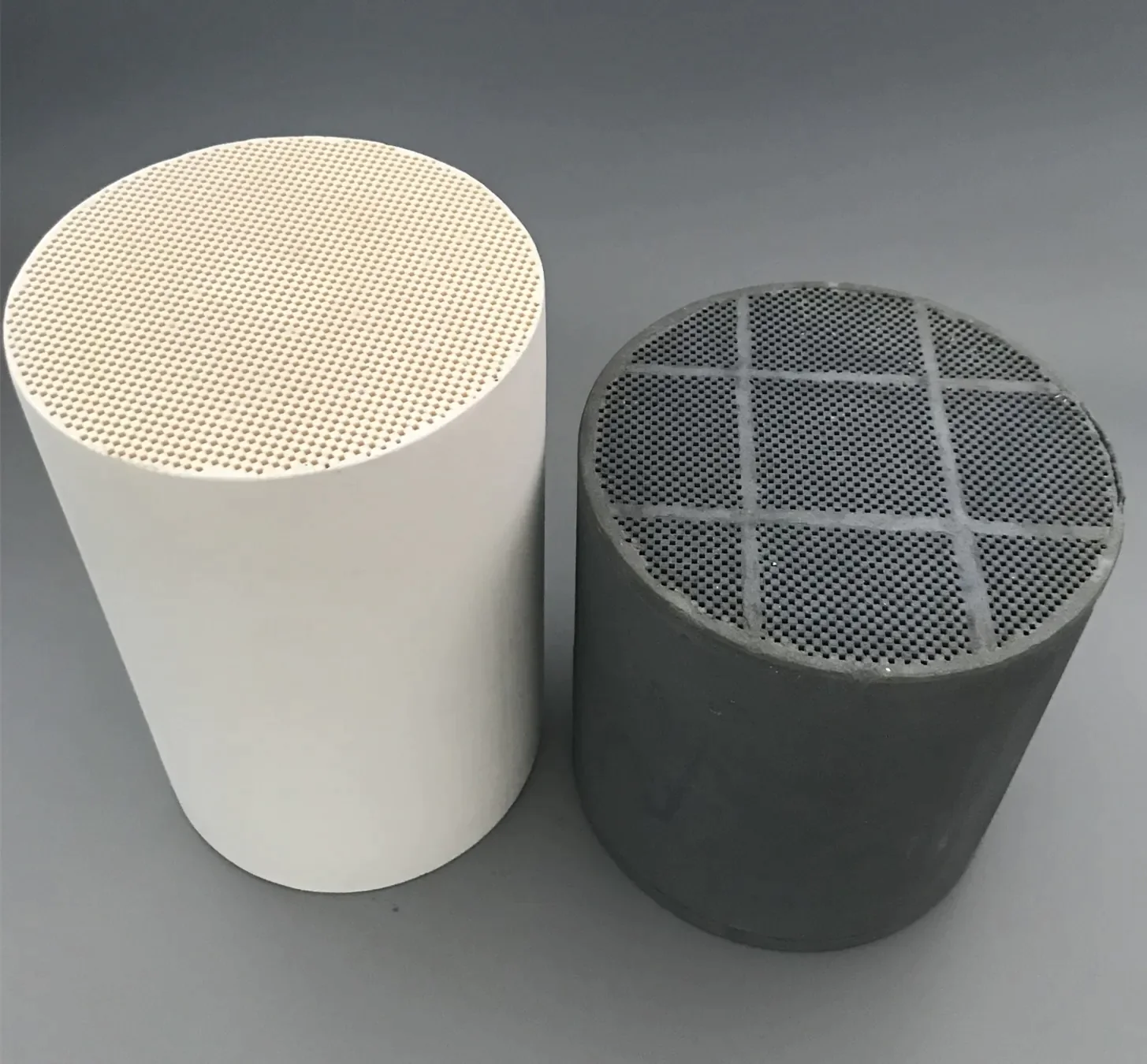
Commercial sulfuric acid catalysts are more complex than pure V₂O₅ powder. The active vanadium phase works with alkali promoters and a porous support. Potassium is common, while cesium-containing formulations can support activity at lower temperatures. The structure provides gas contact with the active phase and a form suitable for converter loading. In practice, catalyst effectiveness also depends on how evenly gas passes through the bed. Channeling or uneven loading can leave part of the catalyst underused, even when the material itself has suitable activity. Accordingly, proper catalyst bed preparation and uniform gas distribution are vital to overall converter performance.
Why Temperature Control Improves Reaction Performance
Temperature is critical because reaction kinetics and equilibrium respond differently. Higher temperatures generally accelerate the reaction, but lower temperatures favor SO₃ at equilibrium because SO₂ oxidation is exothermic. If the operating temperature falls below the catalyst’s specified ignition temperature, the reaction rate can decline sharply. Industrial operation must balance these effects.
Converters commonly use several catalyst beds with inter-stage cooling. Gas temperature rises as SO₂ is oxidized and heat is released. Cooling between beds restores a suitable temperature for further conversion, balancing reaction rate and equilibrium.
The required temperature range depends on catalyst formulation and bed position. Our published V-series specifications list continuous operating ranges of 400–630°C for V201-M and V208-M, and 370–630°C for V212-M. The listed thermal stability for all three grades is 650°C. These are product-specific figures, not universal limits. Actual set points must follow process design, gas conditions, and technical guidance.
Selecting the Right Catalyst Grade for Converter Conditions
Catalyst selection should reflect each bed’s role. Converter positions face different gas compositions and temperatures, so one grade may not suit every position.
We identify V201-M as a potassium-promoted grade suitable for all beds in an SO₂ converter. Its published ignition temperature is 360°C, with a continuous operating range of 400–630°C. V208-M is promoted with cesium and potassium and is specifically positioned for the third bed, where process gas contains significant SO₃. Its listed ignition temperature is 340°C and its continuous operating range is 400–630°C.
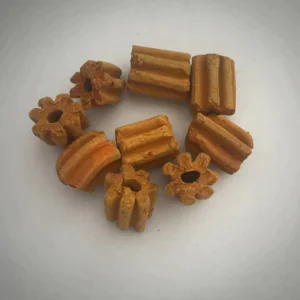
V212-M is a cesium-promoted grade. We list an ignition temperature of 310°C and a continuous operating range of 370–630°C. Our product information describes its use in the top layer of the first bed or in the fourth or fifth beds, where lower-temperature activity can support SO₂ conversion and emission control. All three of our V-series grades are listed in an 11 mm special daisy shape, with bulk density of 0.38–0.43 kg/L.
These specifications support comparison but do not replace process evaluation. Before selecting or replacing a grade, engineers should review gas composition, bed temperatures, converter design, catalyst loading, and pressure-drop limits. The full converter system must be considered.
Maintaining Activity During Continuous Plant Operation
Long-term performance depends on feed-gas cleanliness, temperature excursions, moisture, handling, and contaminants. Upstream gas purification is important because impurities may reduce active surface availability or form deposits. Operators should monitor bed temperatures and pressure drop. A rising pressure drop may indicate changes in bed condition or gas flow, while declining SO₂ conversion warrants investigation of catalyst activity and process conditions.
Assess performance using trends in SO₂ conversion, outlet SO₂ concentration, bed temperature, pressure drop, and production rate. These indicators help distinguish catalyst aging from changes in feed composition, gas distribution, or heat management. Operators should interpret these measurements together, since a temperature shift can change both reaction rate and equilibrium conversion. Any catalyst regeneration or replacement work shall follow both supplier technical instructions and on-site plant safety protocols.
Improving Process Efficiency Through Informed Catalyst Selection
A properly selected vanadium catalyst helps sulfuric acid plants accelerate SO₂ oxidation and sustain effective conversion across multiple converter beds. The benefit comes from matching catalyst chemistry and operating conditions, not simply choosing the grade with the lowest ignition temperature or highest stated activity.
We supply V-series catalysts for sulfuric acid contact-process applications, including potassium-promoted and cesium-containing grades. Buyers can review our published product specifications alongside their actual plant data to support technical selection and stable operation. Explore our Hualian Catalyst website for more product information.