Vanadium pentoxide (V₂O₅) catalyst is a critical oxidation catalyst deployed in large-scale chemical manufacturing. It is most widely known for driving the conversion of sulfur dioxide (SO₂) to sulfur trioxide (SO₃), the core reaction within the contact process for sulfuric acid production.
For plant operators and process engineers, catalyst selection involves more than chemical composition. Activity, operating temperature, gas composition, converter-bed position, pressure drop, and service life all affect plant performance. Our V-series catalysts are developed for sulfuric acid contact-process applications, with different grades available for specific bed positions and operating conditions. This article focuses on V₂O₅ catalysts and their applications in sulfuric acid plants.
What Is a V2O5 Catalyst?
V₂O₅ is vanadium pentoxide, an oxide in which vanadium has an oxidation state of +5. Commercial sulfuric acid catalysts are not simply pure V₂O₅. They combine vanadium compounds with promoters, commonly alkali metal compounds, and a porous support such as silica. This structure provides active sites and allows process gas to contact the catalytic phase.
In sulfuric acid production, V₂O₅-based catalysts promote the oxidation of sulfur dioxide (SO₂) with oxygen to form sulfur trioxide (SO₃). This reversible, exothermic reaction (2SO₂ + O₂ ⇌ 2SO₃) is central to the contact process. The catalyst accelerates the reaction without changing its equilibrium position, allowing the plant to achieve the required conversion under controlled operating conditions.
Promoters influence the active phase and its operating behaviour. Potassium-promoted formulations are widely used, while cesium-containing grades can maintain activity at lower operating temperatures. V₂O₅ content alone does not determine performance. Support properties, promoter selection, pore volume, mechanical strength, particle geometry, and process-gas conditions also influence conversion and pressure drop.
How Is V2O5 Catalyst Used in the Sulfuric Acid Industry?
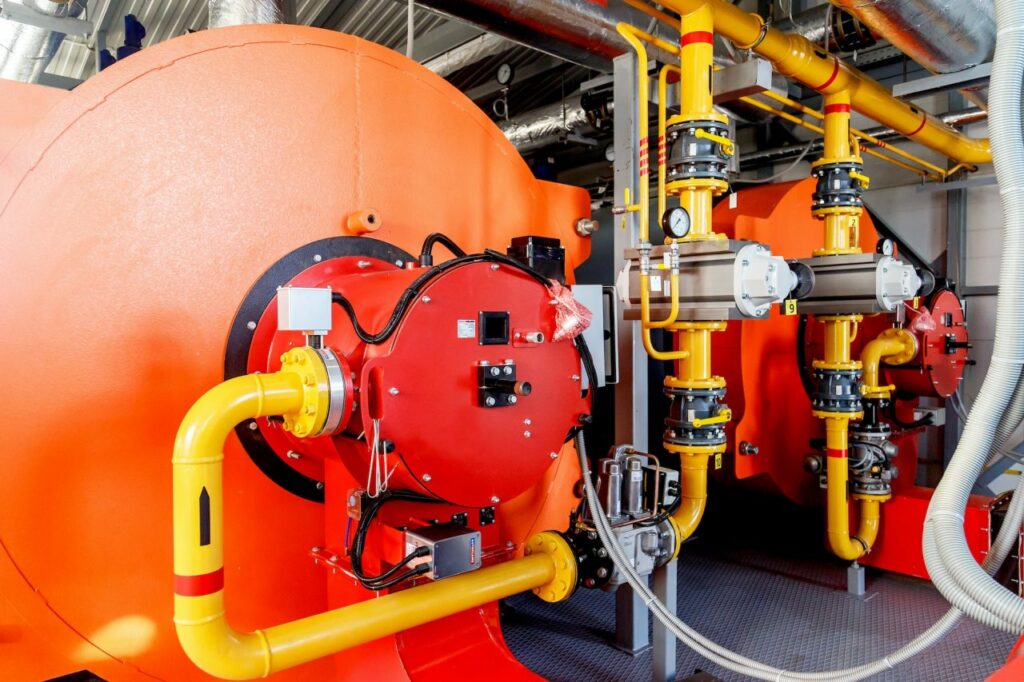
In a sulfuric acid plant, sulfur or another sulfur-bearing feed is processed to produce SO₂. After gas cleaning and drying, the gas enters a converter containing catalyst beds. The V₂O₅-based catalyst promotes oxidation of SO₂ to SO₃. The SO₃ is then absorbed in concentrated sulfuric acid to produce more acid.
Converter operation requires a careful balance between reaction kinetics and chemical equilibrium. Higher temperatures speed up the reaction rate, yet this exothermic reaction is thermodynamically more favourable at lower temperatures. Plants therefore manage temperatures between catalyst beds and may use interpass absorption to improve overall conversion. Stable gas composition, even gas distribution, and removal of catalyst poisons such as dust and arsenic compounds are also important. Poor gas preparation can reduce activity and shorten catalyst life.
Different formulations serve different converter positions. A general-purpose grade may be suitable across several beds, while a higher-activity or cesium-promoted grade may be selected for a specific temperature or gas composition. Selection should reflect converter design, operating data, target conversion, and maintenance strategy.
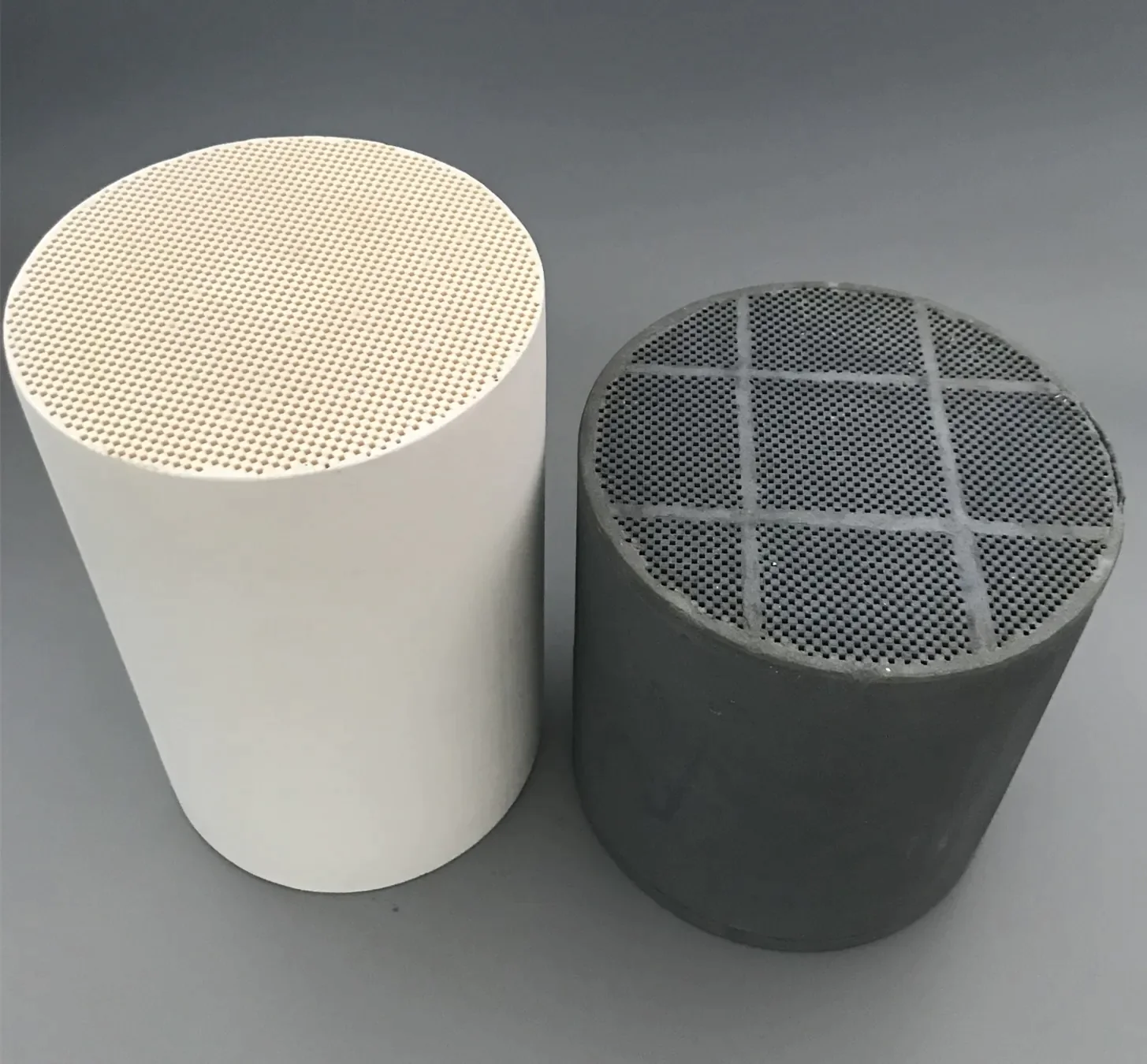
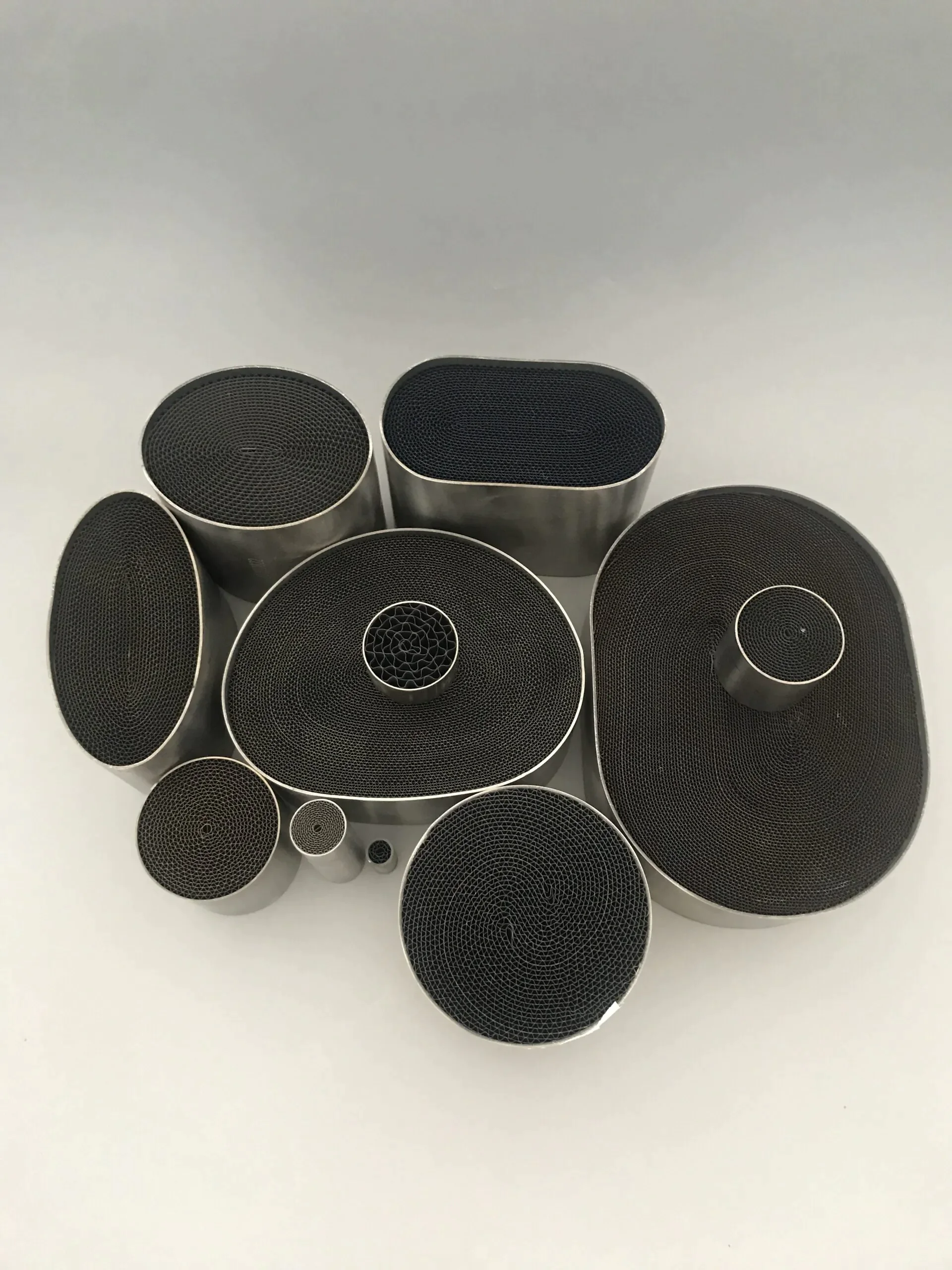
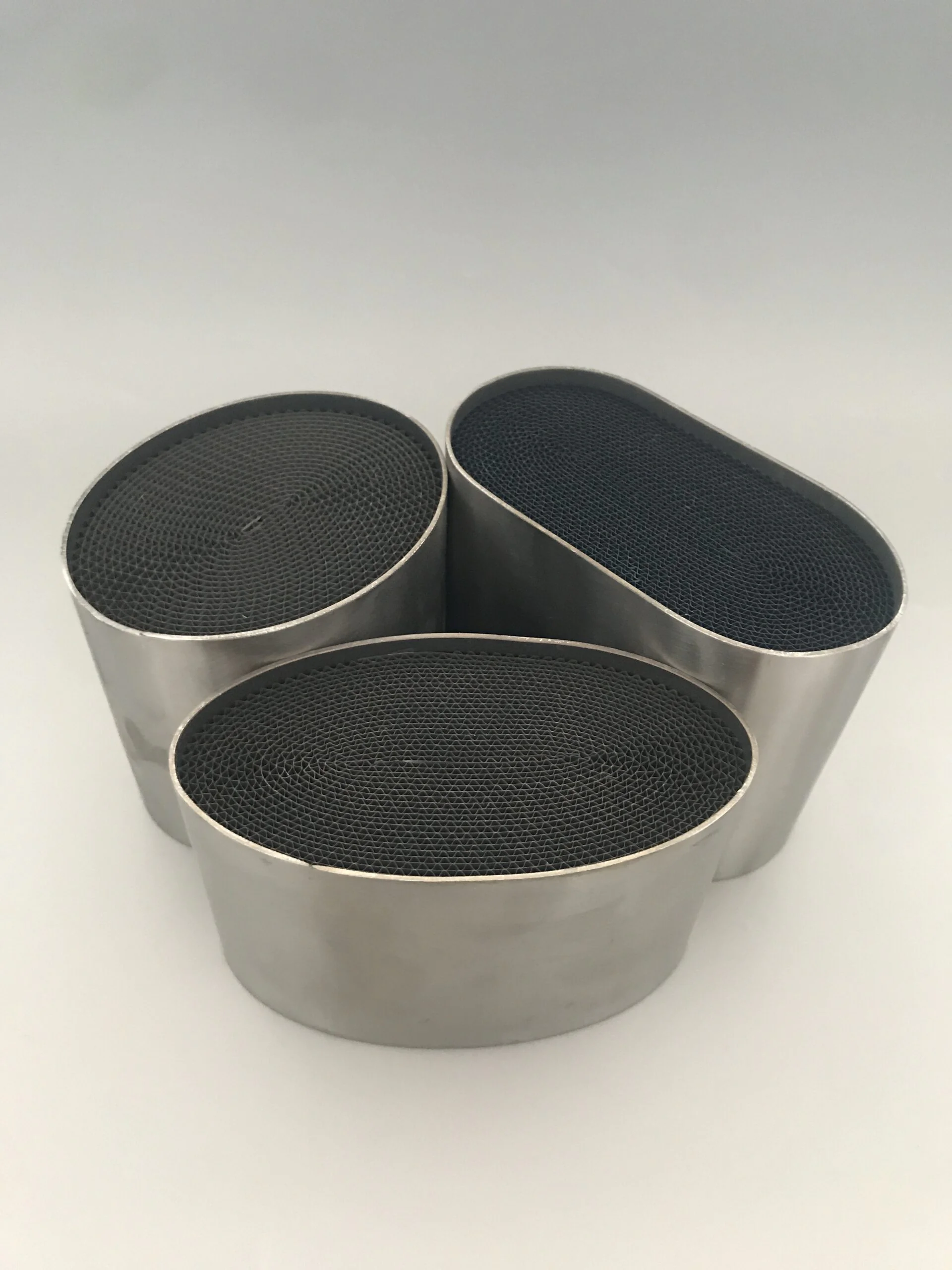
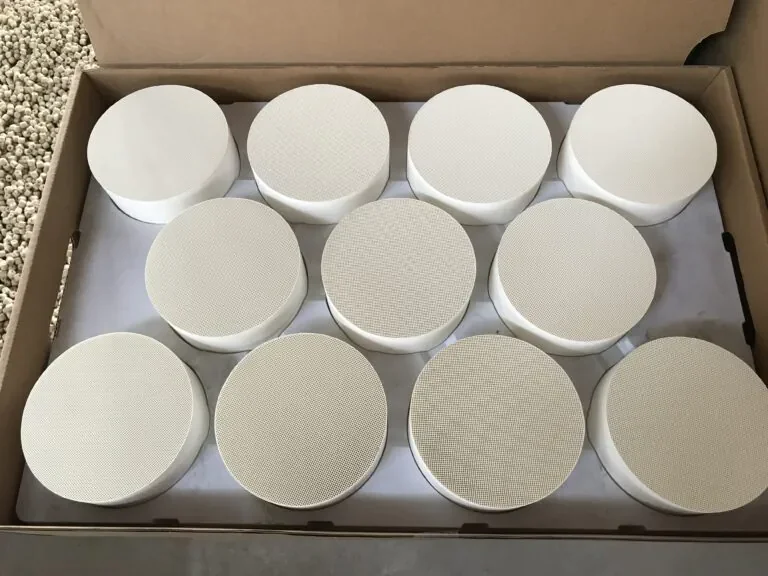
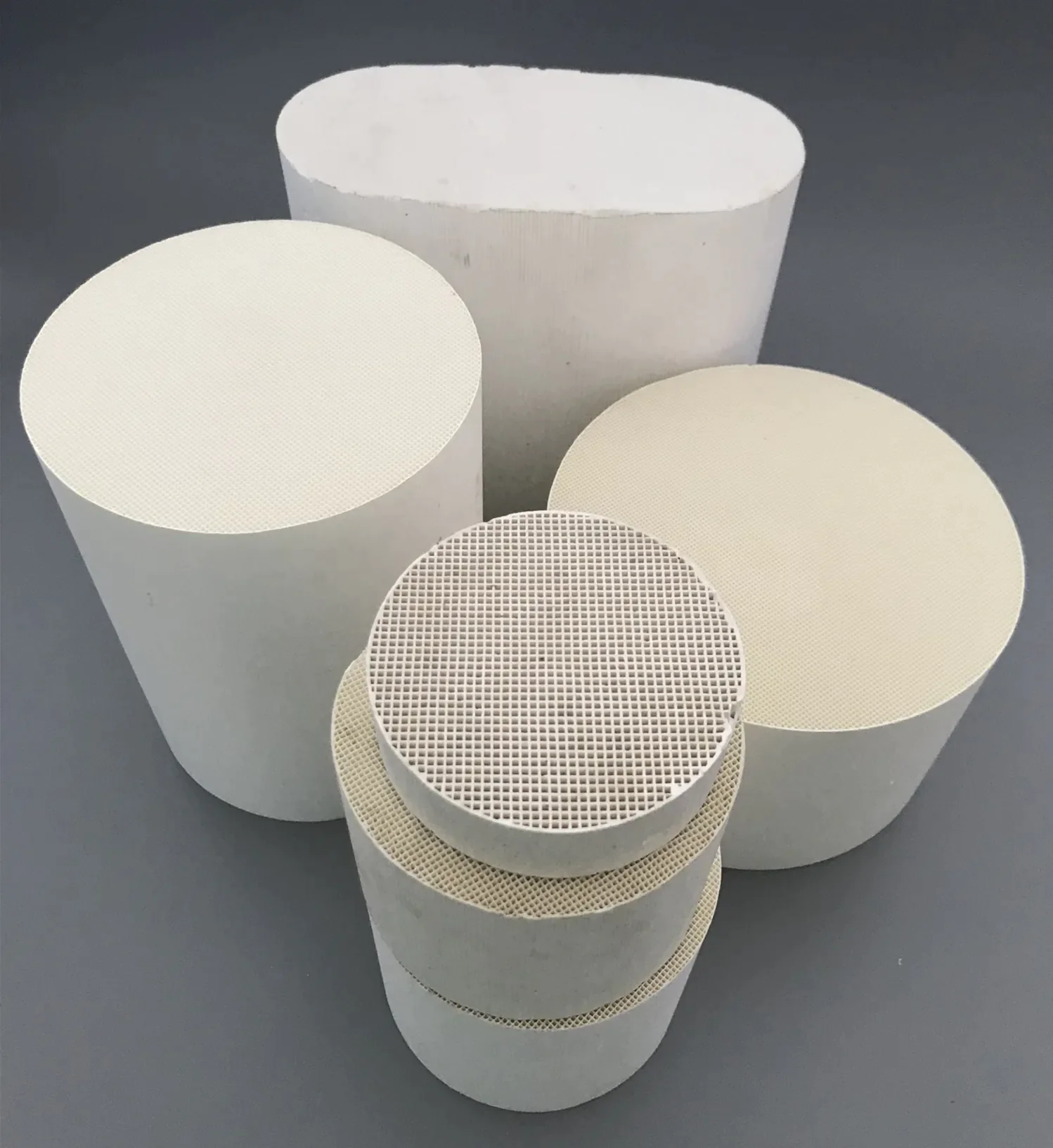
Beyond our industrial catalyst range, we also provide automotive emission-control products, including diesel particulate filter for sale, for customers sourcing diesel exhaust treatment components.
Catalyst Grades, Operating Conditions, and Selection
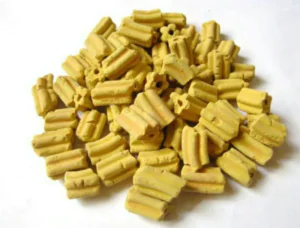
Our V₂O₅ sulfuric acid catalyst portfolio includes V201-M, V208-M, and V212-M. According to our product specifications, V201-M is designed for use across converter beds, with a stated continuous operating range of 400–630°C. The listed V201 type uses a potassium promoter, has an ignition temperature of 360°C, thermal stability of 650°C, bulk density of 0.38–0.43 kg/L, and an 11 mm special-daisy shape.
V208-M has a higher V₂O₅ content than V201-M and is positioned particularly for the third bed, where process gas may contain significant SO₃. The listed V208 type is promoted with cesium and potassium, has an ignition temperature of 340°C, and a continuous operating range of 400–630°C. V212-M is a cesium-promoted grade for applications where lower-temperature activity is important. Its listed ignition temperature is 310°C, with a continuous operating range of 370–630°C. The listed V-series products have thermal stability of 650°C, bulk density of 0.38–0.43 kg/L, and an 11 mm special-daisy shape.
These figures apply to the listed grades, not every vanadium catalyst. Before specifying a product, engineers should review bed location, inlet and outlet temperatures, SO₂ and SO₃ concentrations, gas flow, pressure-drop limits, and the condition of the existing catalyst charge. Loading and start-up should follow the plant’s technical procedures.
How V2O5 Catalysts Differ from Diesel Exhaust Catalysts
Industrial V₂O₅ catalysts for sulfuric acid production should not be confused with diesel aftertreatment components. Diesel exhaust systems control pollutants through components such as diesel oxidation catalysts, selective catalytic reduction (SCR) units, and diesel particulate filters (DPFs). A DPF traps particulate matter and cannot carry out the SO₂-to-SO₃ oxidation reaction required inside sulfuric acid converters. Buyers assessing a diesel exhaust filter should instead evaluate substrate material, cell density, dimensions, filtration requirements, and compatibility with the vehicle’s aftertreatment system.
This distinction matters for procurement teams managing different emissions-control projects. Product selection must start with the pollutant, process conditions, equipment layout, and applicable standards. A chemical-process catalyst cannot be substituted for a diesel particulate filter, and a DPF specification cannot be used to assess a sulfuric acid catalyst.
Working with the Right Catalyst Supplier
For an operating plant, catalyst selection affects conversion, energy use, emissions, and maintenance planning. Buyers should request current technical data, confirm the intended converter bed, and compare supplier recommendations with actual plant conditions. Buyers should also confirm packaging specifications, handling instructions, catalyst loading guidelines, quality certificates, and after-sales technical support prior to placing orders.
At Hualian, we develop and manufacture catalysts and advanced ceramic products for industrial and automotive applications. Our range includes V₂O₅ sulfuric acid catalysts as well as DOC, SCR, and DPF products. We support customers with product selection and customized manufacturing based on project requirements. For technical discussions about catalyst grades or product matching, contact Hualian Catalyst with your process data and application details. This helps our team assess your requirements against the relevant product specifications.