For sulfuric acid producers, catalyst performance affects conversion, capacity, energy use, and emissions. Vanadium pentoxide (V₂O₅) catalysts are widely used in the contact process to promote the oxidation of sulfur dioxide (SO₂) to sulfur trioxide (SO₃). Selecting the right grade is an operational decision, not simply a comparison of vanadium content. Activity, operating temperature, gas composition, and converter-bed position all influence plant performance. At Hualian, we supply industrial catalysts for sulfuric acid production, as well as automotive emission-control products such as our diesel exhaust filter range. This article examines the benefits of V₂O₅ catalyst in sulfuric acid production.
Improved SO₂ Conversion and Production Efficiency
The core function of V₂O₅ catalyst in the contact process is to accelerate the SO₂-to-SO₃ oxidation reaction. The reaction is reversible and exothermic, so converter performance depends on both reaction kinetics and equilibrium. A suitable catalyst helps the plant approach the required conversion within practical temperature ranges and across multiple catalyst beds.
Higher conversion means less unreacted SO₂ leaves the converter, while more SO₃ is available for absorption and acid production. This can support better use of sulfur feed and improve overall process efficiency. Gas composition, oxygen availability, inlet temperature, flow distribution, and heat exchange also influence conversion. Operators should assess performance using actual converter data rather than a single activity figure.
For plants planning catalyst recharging, maximizing catalyst activity is not necessarily the priority for every bed. The first bed faces a different temperature rise and gas composition from the later beds, so a grade that performs well in one position may not be the best choice elsewhere. A bed-by-bed assessment helps avoid mismatched catalyst selection.
Commercial sulfuric acid catalysts also contain promoters and a porous support. Potassium-promoted formulations are common, while cesium-promoted grades are selected where stronger low-temperature activity is required. The support structure and active-phase dispersion also affect gas-catalyst contact.
Lower Operating Temperatures and Better Energy Management
One important benefit of cesium-promoted V₂O₅ catalysts is their ability to maintain activity at lower operating temperatures than conventional potassium-promoted grades. This matters because SO₂ oxidation releases heat. Higher temperatures increase reaction rates, while lower temperatures favour equilibrium conversion.
A catalyst with good low-temperature activity can provide more flexibility when setting converter-bed inlet temperatures. It may also help plants address heat-exchanger limitations or maintain conversion when operating conditions change. Our V212-M grade is a cesium-promoted catalyst with a listed continuous operating range of 370–630°C and an ignition temperature of 310°C. According to our product specifications, it can be used in the top layer of the first bed or in Beds 4 and 5, depending on the process objective.
These are product specifications, not universal set points. Actual temperatures depend on converter design, gas strength, bed configuration, and operating procedures.
Reduced SO₂ Emissions and More Flexible Converter Operation
Unconverted SO₂ is a key emission concern. Improving converter conversion can reduce the SO₂ remaining in process gas, although final emissions also depend on gas handling, absorption, plant configuration, and operating discipline.
Cesium-promoted catalysts are particularly relevant in this area. Their low-temperature activity can support additional conversion in later beds, where equilibrium limitations become more significant. We list V212-M for applications where reducing SO₂ emissions and increasing production rates are priorities. V208-M, which contains more V₂O₅ than V201-M and is promoted with cesium and potassium, is particularly suited to the third bed where process gas contains significant SO₃.
This allows operators to match catalyst properties to each bed’s duty and balance conversion, temperature control, and production targets.
Catalyst Structure, Pressure Drop, and Service Reliability
Catalyst geometry also affects converter operation. Our V201-M, V208-M, and V212-M products are supplied in an 11 mm special-daisy shape. In industrial sulfuric acid converters, daisy-shaped catalyst designs are used in part to manage pressure drop through the catalyst bed.
Reduced bed pressure drop cuts energy consumption for circulating process gas. However, this benefit only holds when gas distribution, catalyst mechanical strength, and catalytic activity still satisfy process requirements. The geometry should also be considered alongside particle strength and the plant’s dust-loading history. A lower pressure drop is useful only when the catalyst bed continues to provide suitable gas contact and stable operation.
Our three V-series grades share several listed specifications: thermal stability of 650°C and bulk density of 0.38–0.43 kg/L. Their ignition temperatures and recommended duties differ. V201-M has an ignition temperature of 360°C and a continuous operating range of 400–630°C. It is described as suitable for all beds in SO₂ converters. V208-M has an ignition temperature of 340°C and operates continuously at 400–630°C. V212-M has an ignition temperature of 310°C and operates continuously at 370–630°C.
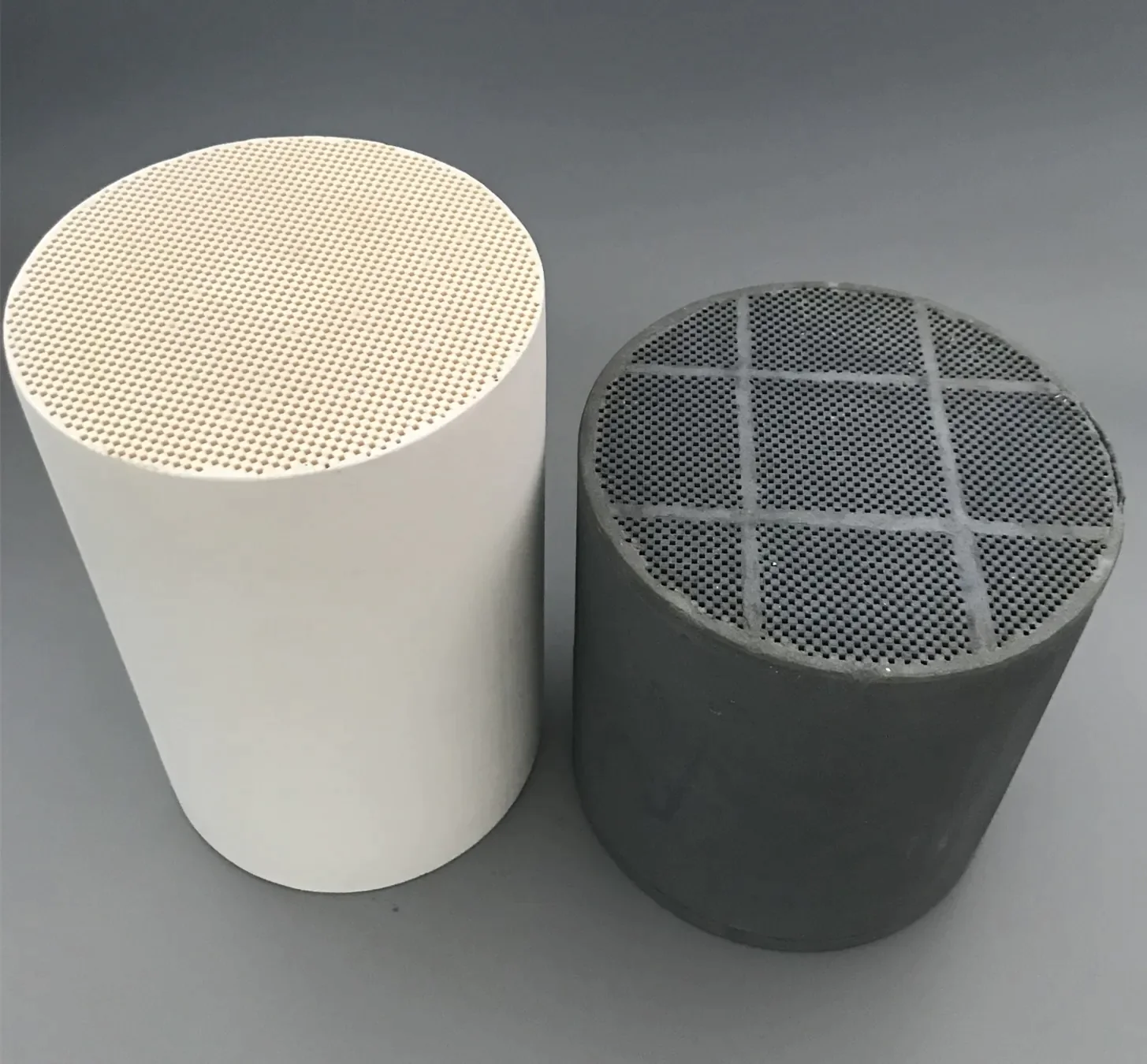
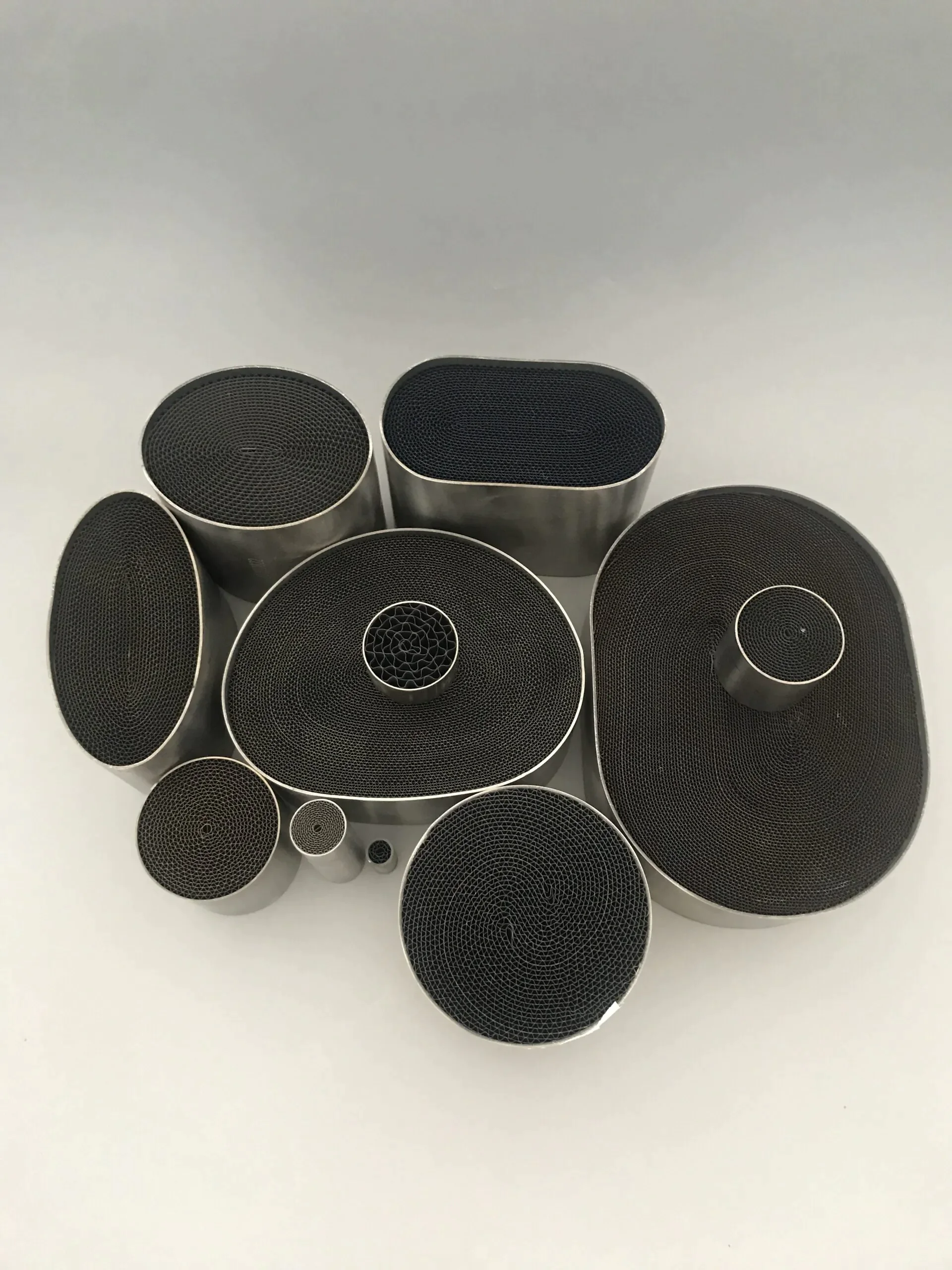
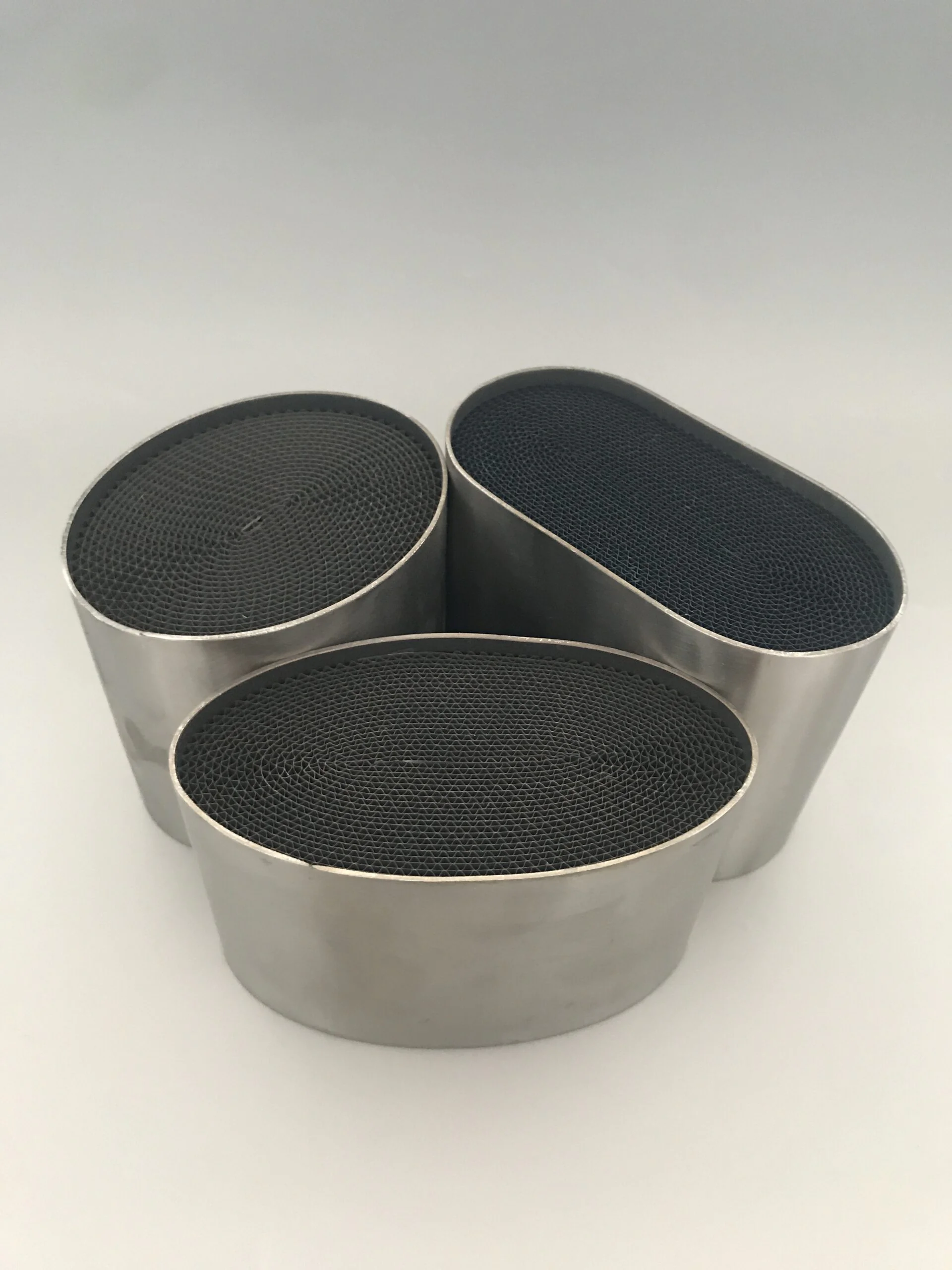
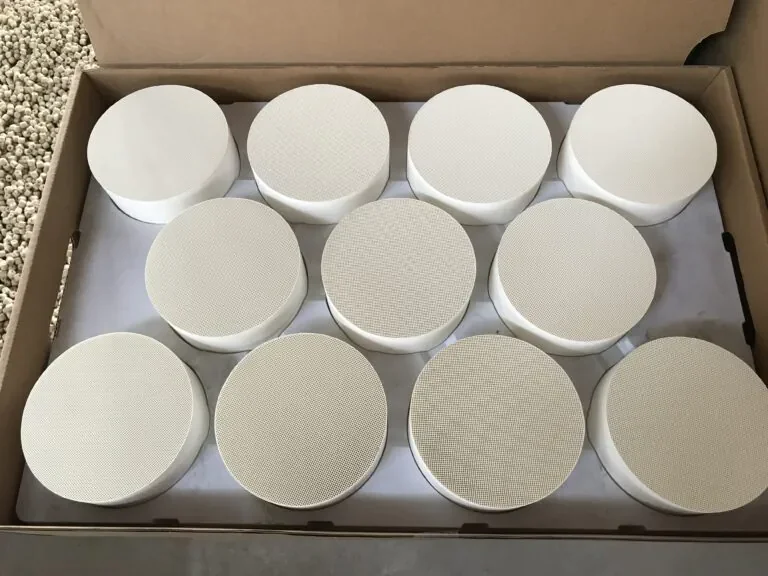
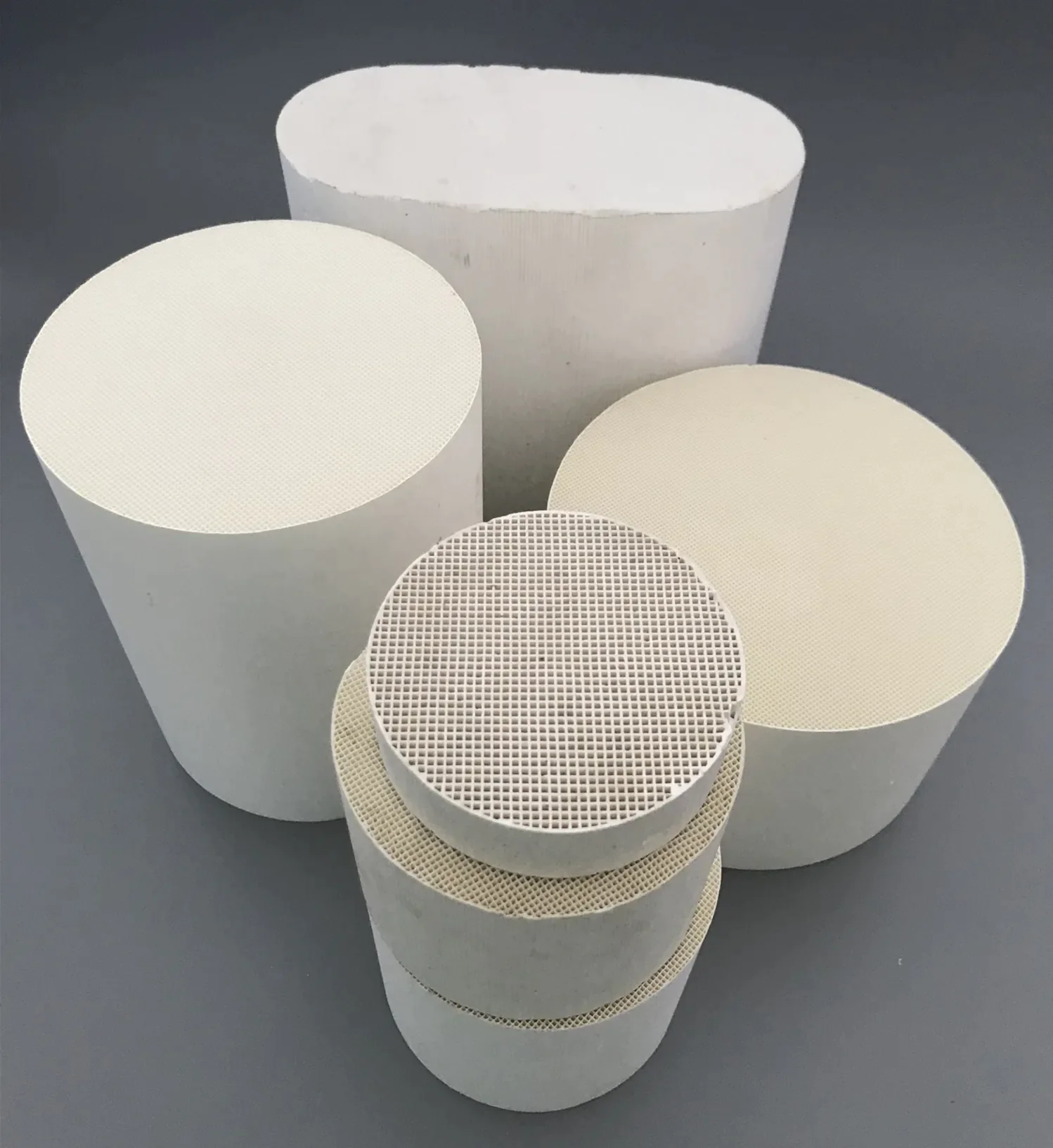
These performance differences are particularly important when planning a full catalyst charge or partial replacement of an individual bed. Buyers should compare each grade with bed location, gas composition, temperature profile, pressure-drop limits, and catalyst condition. While our V₂O₅ catalysts are designed for sulfuric acid production, we also offer diesel particulate filter for sale for customers sourcing diesel exhaust emission-control products. These filters capture particulate matter from diesel exhaust and serve a different application from sulfuric acid process catalysts.
Selecting a V₂O₅ Catalyst for Plant Requirements
Selection starts with operating data. Engineers should review SO₂ concentration, oxygen content, gas flow, bed temperatures, converter arrangement, target conversion, and pressure-drop history before choosing a grade and loading arrangement. Packaging, handling, storage, loading procedures, and technical support should also be confirmed before an order is placed.
At Hualian, we offer V201-M, V208-M, and V212-M V₂O₅ catalysts for different positions and operating objectives in sulfuric acid converters. Our wider range includes ceramic and automotive emission-control products. We help industrial buyers identify products based on application requirements and technical specifications. Contact Hualian Catalyst to discuss your converter conditions, catalyst replacement plans, or product selection needs.